

 Share your story and shine at JK Monitor!🌟 Welcome to JK Monitor, where every story matters and every achievement is celebrated! We invite you to share the remarkable journey of your life and showcase your accomplishments to the world. Join our exclusive interviews that honor exceptional individuals just like you.
 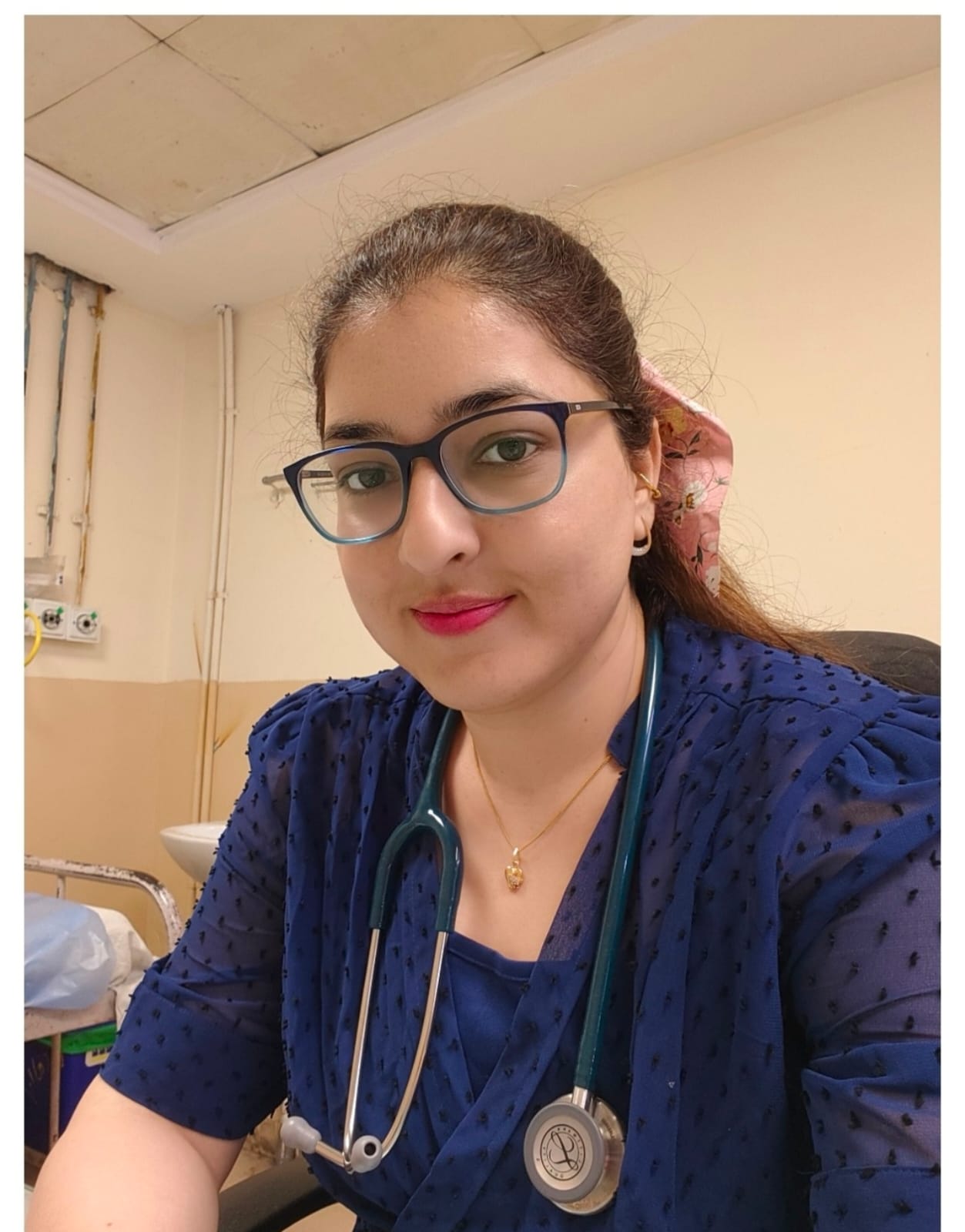 Cancer is a global health crisis that affects millions of people each year. It is a disease characterized by the uncontrolled growth and spread of abnormal cells, which can damage the body's tissues and organs. World Cancer Day is an annual event celebrated on February 4th to raise awareness about cancer, promote prevention, detection, and treatment, and reduce the global burden of the disease. This article will delve into the significance and importance of World Cancer Day, its historical perspective, and its relevance in Jammu and Kashmir.
Significance and Importance of World Cancer Day:
World Cancer Day is a global initiative led by the Union for International Cancer Control (UICC) to unite the world in the fight against cancer. It serves as a platform to raise awareness about the disease, educate people about its risk factors, and promote healthy lifestyles that can reduce the risk of developing cancer. The day also aims to reduce the stigma associated with cancer and provide support for cancer patients and their families.
One of the primary goals of World Cancer Day is to increase awareness about cancer prevention and early detection. Many cancers can be prevented by adopting healthy lifestyles, such as avoiding tobacco use, maintaining a healthy weight, eating a balanced diet, and engaging in regular physical activity. Early detection through screening programs can also improve the chances of successful treatment and survival.
World Cancer Day also plays a crucial role in advocating for policies that promote cancer prevention, early detection, and access to treatment. It provides an opportunity for cancer organizations, healthcare professionals, and policymakers to come together and discuss strategies to reduce the burden of cancer. The day also serves as a platform to mobilize resources and funding for cancer research, prevention, and treatment programs.
Historical Perspective of World Cancer Day:
World Cancer Day was established on February 4, 2000, at the World Summit Against Cancer in Paris. The summit was organized by the UICC, a global organization dedicated to fighting cancer. The purpose of the summit was to create a global platform to promote cancer awareness, prevention, and treatment. The first World Cancer Day was observed on February 4, 2000, and it has been celebrated annually ever since.
Since its inception, World Cancer Day has grown into a global movement, with events and activities taking place in countries around the world. The day has helped to raise awareness about cancer and promote prevention and early detection. It has also played a crucial role in advocating for policies that support cancer control efforts.
Relevance of World Cancer Day in Jammu and Kashmir:
Jammu and Kashmir (J&K) is a region in northern India that has been affected by cancer. According to the National Cancer Registry Programme, the incidence of cancer in J&K is lower than the national average. However, the region faces several challenges in cancer prevention, early detection, and treatment.
One of the main challenges in J&K is the lack of awareness about cancer and its risk factors. Many people in the region are not aware of the importance of healthy lifestyles and early detection in preventing cancer. This lack of awareness can lead to delayed diagnosis and treatment, which can reduce the chances of survival.
Another challenge in J&K is the limited access to cancer screening and treatment facilities. The region has a shortage of healthcare professionals and infrastructure, which can make it difficult for people to access the care they need. This is particularly true in rural areas, where access to healthcare services is limited.
World Cancer Day is an opportunity to raise awareness about cancer in J&K and promote prevention and early detection. The day can be used to educate people about the risk factors for cancer and the importance of healthy lifestyles. It can also be used to promote cancer screening programs and encourage people to get regular check-ups.
In addition to raising awareness, World Cancer Day can also be used to advocate for policies that support cancer control efforts in J&K. This includes increasing funding for cancer research, prevention, and treatment programs, as well as improving access to healthcare services for cancer patients.
World Cancer Day is a global event that plays a crucial role in raising awareness about cancer, promoting prevention and early detection, and advocating for policies that support cancer control efforts. The day is particularly relevant in regions like Jammu and Kashmir, where there are challenges in cancer prevention, early detection, and treatment. By working together, we can reduce the global burden of cancer and improve the lives of cancer patients and their families. On this World Cancer Day, let us pledge to take action and make a difference in the fight against cancer.
The Significance of World Cancer Day: A Comprehensive Analysis
Cancer, a formidable adversary in the realm of global health, continues to pose significant challenges to individuals and healthcare systems worldwide. This multifaceted disease, characterized by uncontrolled cell proliferation and the potential to invade and metastasize to distant organs, remains a leading cause of morbidity and mortality. Recognizing the urgent need for concerted global action, World Cancer Day, observed annually on February 4th, serves as a powerful platform to raise awareness, promote prevention, highlight advancements in treatment, and foster a spirit of unity in the fight against cancer. This comprehensive analysis delves into the profound significance and multifaceted importance of World Cancer Day, exploring its historical context, key objectives, and its relevance in specific regions, such as Jammu and Kashmir.
The Multifaceted Significance of World Cancer Day:
1. Raising Global Awareness:
At its core, World Cancer Day is an unparalleled opportunity to amplify awareness about cancer, its diverse forms, risk factors, and the importance of early detection. Through targeted campaigns, educational materials, and community outreach programs, the day seeks to dispel misconceptions, reduce stigma, and empower individuals with knowledge about cancer prevention and risk reduction strategies.
2. Emphasizing Prevention and Early Detection:
A central tenet of World Cancer Day is the unwavering focus on prevention and early detection. By disseminating information about modifiable risk factors, such as tobacco use, unhealthy diets, physical inactivity, and exposure to environmental carcinogens, the day encourages individuals to adopt healthier lifestyles and make informed choices to minimize their cancer risk. Furthermore, World Cancer Day advocates for the implementation of comprehensive screening programs for common cancers, such as breast, cervical, and colorectal cancer, to detect the disease at its earliest stages when treatment is most effective.
3. Promoting Equitable Access to Treatment and Care:
World Cancer Day recognizes that access to quality cancer treatment and care is a fundamental human right. The day serves as a platform to advocate for policies and initiatives that ensure equitable access to cancer services, regardless of socioeconomic status, geographic location, or ethnicity. This includes promoting the development and implementation of national cancer control plans, strengthening healthcare infrastructure, and ensuring the availability of affordable and effective cancer therapies.
4. Mobilizing Resources and Funding for Research:
Cancer research is the cornerstone of progress in improving cancer prevention, detection, and treatment. World Cancer Day plays a vital role in mobilizing resources and funding for cancer research, supporting innovative studies that seek to unravel the complexities of cancer biology, identify novel therapeutic targets, and develop more effective and less toxic treatments. The day also highlights the importance of translational research, which bridges the gap between basic scientific discoveries and clinical applications, ensuring that research findings are translated into tangible benefits for cancer patients.
5. Fostering Unity and Collaboration:
Cancer is a global challenge that transcends national borders and requires a collaborative, multidisciplinary approach. World Cancer Day brings together individuals, communities, organizations, and governments from around the world to unite in the fight against cancer. The day fosters collaboration among researchers, healthcare professionals, policymakers, and patient advocacy groups, facilitating the sharing of knowledge, best practices, and resources.
Historical Perspective of World Cancer Day:
World Cancer Day was established on February 4, 2000, during the World Summit Against Cancer, held in Paris. Organized by the Union for International Cancer Control (UICC), the summit brought together leading cancer experts, policymakers, and advocates from around the world to discuss strategies for combating the global cancer epidemic. The establishment of World Cancer Day was a key outcome of the summit, serving as a global platform to raise awareness, promote prevention, and improve cancer control efforts.
Since its inception, World Cancer Day has grown into a global movement, with events and activities taking place in countries around the world. The day has helped to raise awareness about cancer, promote prevention and early detection, and advocate for policies that support cancer control efforts.
Relevance of World Cancer Day in Jammu and Kashmir:
Jammu and Kashmir (J&K), a region in northern India, faces unique challenges in cancer prevention, early detection, and treatment. The region has a relatively lower cancer incidence compared to the national average, but the burden of cancer is increasing due to factors such as changing lifestyles, environmental exposure, and limited access to healthcare services.
In J&K, World Cancer Day is an opportunity to raise awareness about cancer and promote prevention and early detection. The day can be used to educate people about the risk factors for cancer and the importance of healthy lifestyles. It can also be used to promote cancer screening programs and encourage people to get regular check-ups.
In addition to raising awareness, World Cancer Day can also be used to advocate for policies that support cancer control efforts in J&K. This includes increasing funding for cancer research, prevention, and treatment programs, as well as improving access to healthcare services for cancer patients.
Challenges and Opportunities in Jammu and Kashmir:
1. Limited Awareness and Stigma:
One of the primary challenges in J&K is the lack of awareness about cancer and the associated stigma, which can deter individuals from seeking timely medical attention. World Cancer Day can play a crucial role in dispelling misconceptions, promoting open dialogue, and encouraging individuals to seek early diagnosis and treatment.
2. Access to Healthcare Services:
J&K faces challenges in providing equitable access to quality cancer care, particularly in rural and remote areas. World Cancer Day can be used to advocate for strengthening healthcare infrastructure, training healthcare professionals, and ensuring the availability of essential cancer medications and technologies in all regions of J&K.
3. Modifiable Risk Factors:
Modifiable risk factors, such as tobacco use, unhealthy diets, and physical inactivity, contribute significantly to the cancer burden in J&K. World Cancer Day can be used to promote healthy lifestyles, discourage tobacco use, encourage consumption of nutritious foods, and promote regular physical activity to reduce cancer risk.
4. Screening and Early Detection:
Improving cancer screening rates is essential for early detection and improved outcomes. World Cancer Day can be used to promote the implementation of comprehensive screening programs for common cancers, such as breast, cervical, and colorectal cancer, and to raise awareness about the importance of regular check-ups.
5. Collaboration and Partnerships:
Effective cancer control requires collaboration among government agencies, healthcare providers, research institutions, and non-governmental organizations. World Cancer Day can serve as a platform to foster collaboration and partnerships to strengthen cancer control efforts in J&K.
World Cancer Day is a global event that plays a crucial role in raising awareness about cancer, promoting prevention and early detection, and advocating for policies that support cancer control efforts. The day is particularly relevant in regions like Jammu and Kashmir, where there are challenges in cancer prevention, early detection, and treatment. By working together, we can reduce the global burden of cancer and improve the lives of cancer patients and their families. On this World Cancer Day, let us pledge to take action and make a difference in the fight against cancer.